Tabula

Tabula

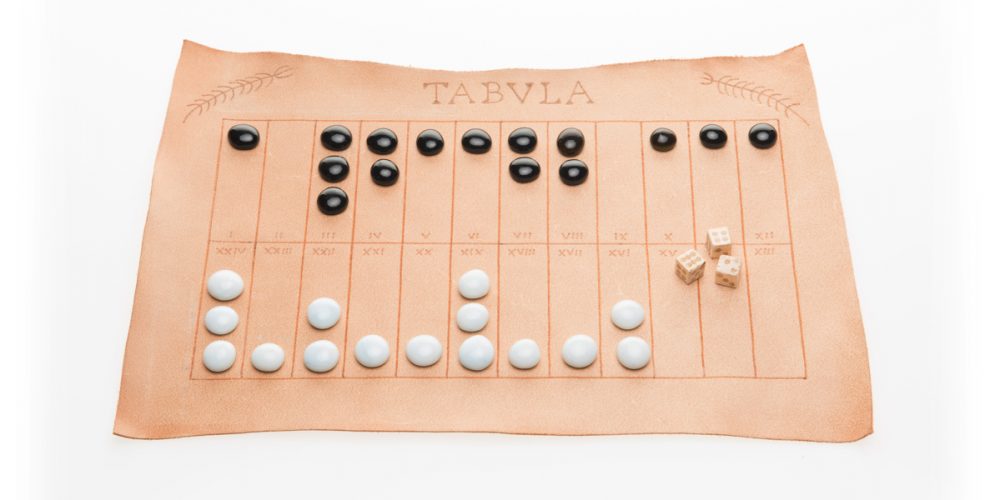
Roman race and strategy board game The Tabula, most likely derived from Duodecim Scripta, is also an ancestor of the modern backgammon. Faster than the Duodecim Scripta, this is an exciting game and combines strategy, speed and luck. Pieces are moved according to the roll of three dice. The rules are acquired from the famous match played by Zeno.
Duodecim Scripta

Duodecim Scripta

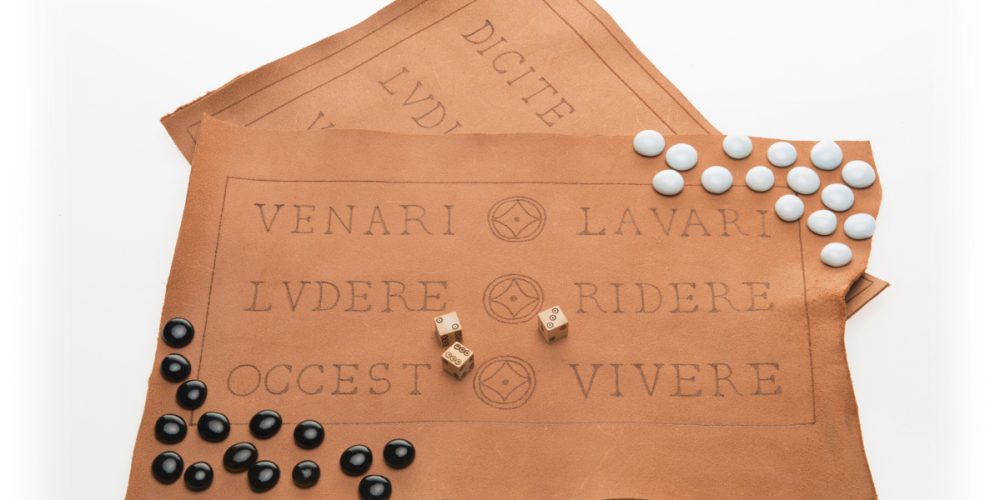
Roman race and strategy board game In order to move the pieces, the players should launch three dice; the path is often composed of the letters of six Latin words arranged on purpose to create puns, jokes and even menus of taverns, also to the detriment of grammar rules. This game is the predecessor of the Tabula and an ancestor of the modern backgammon.  

Ludus Latrunculorum

Ludus Latrunculorum

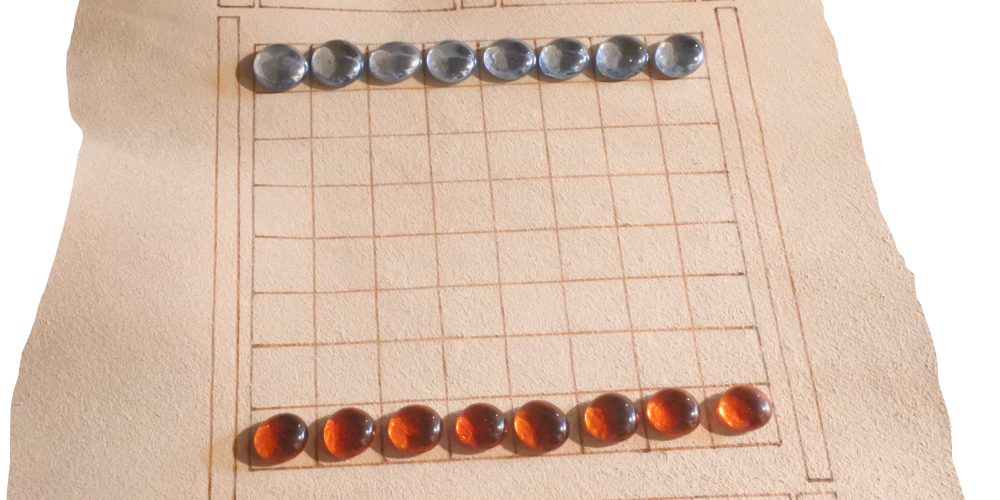
This is a Roman game of strategy and direct battle; simple but also very exciting, because of its rules and the strategy as well. Our version is the most faithful to the documentation provided by the sources and it simulates a clash between two armies composed of eight soldiers. This game is considered one of the ancestors of chess game.

Tria

Tria

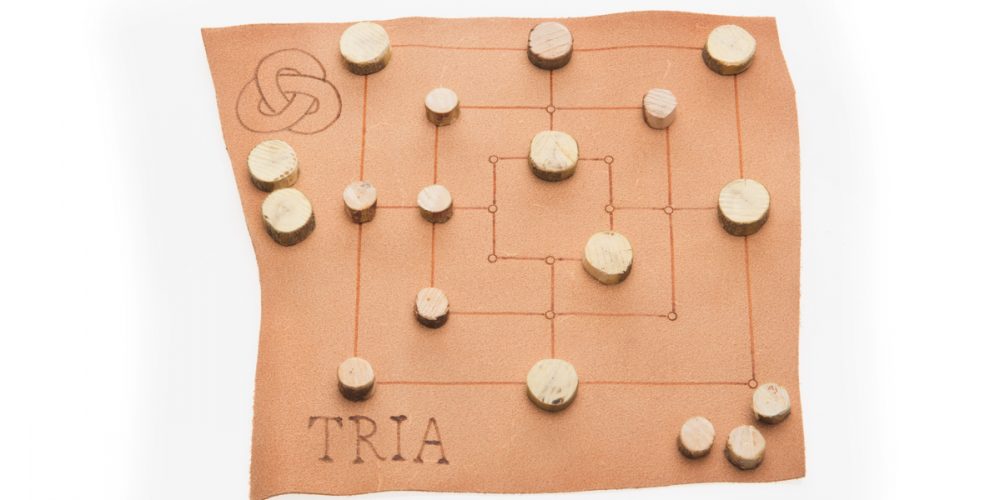
Roman strategy game Tria is the expanded version of terni lapilli but should not to be confused with it. You can see it on various Roman monuments and medieval buildings too, if stones of a previous era was being used to build them. The game is played with nine pieces instead of three of terni lapilli the moves possibility is higher as well, and the strategy is quite different of the terni lapilli ones.

Terni Lapilli

Terni Lapilli

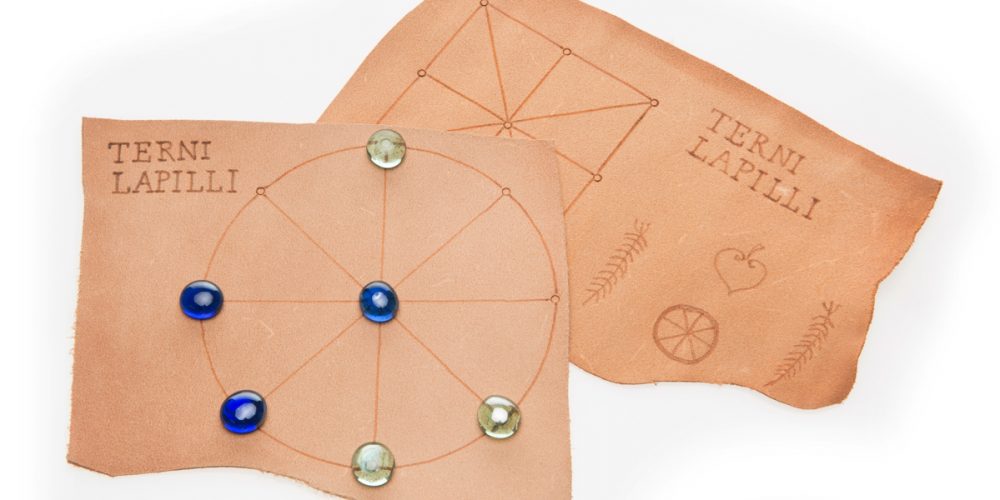
Roman strategy game Terni lapilli was drawn in shape of boxes, crossed lines and especially in a wheel shaped diagram on the stones of ambulatories of amphitheatres, on floors if public monuments and on many steps of theatres. This game is the ancestor of the modern Tic-Tac-Toe, but has different rules that make the game very interesting compared with the current version. Because of its simplicity, is recommended for the purpose to learn the logic of the board games.

The Game of the Twenty Squares

The Game of the Twenty Squares

Egyptian race board game Due the numerous findings in the tombs, we can say that this game was very popular in Ancient Egypt, the origin of this game is still uncertain though: perhaps it comes from the Middle East or the Indian subcontinent, because other samples was found there. Two players have to come from a square on the table and go to the end. There are special squares.

Mehen

Mehen

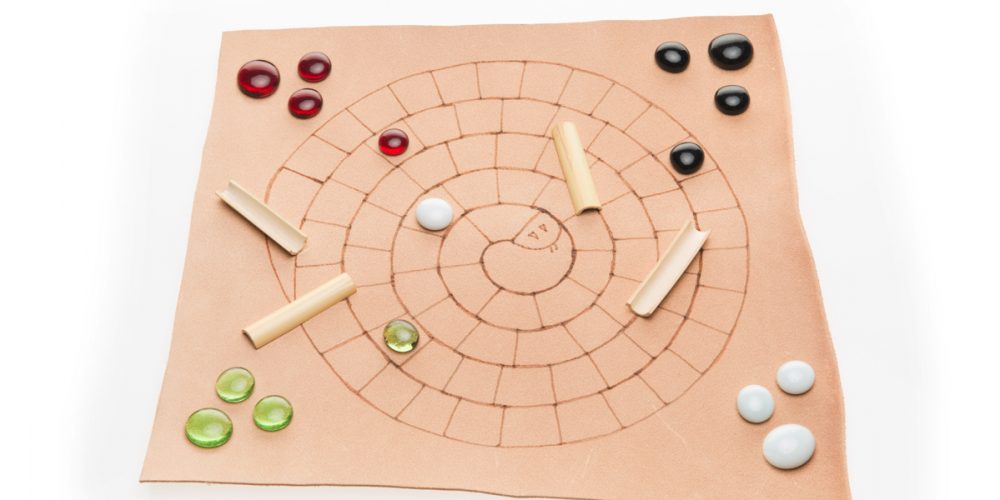
Egyptian race board game The Mehen or the Serpent Game, is perhaps the most ancient Egyptian board game and one of the oldest ever; in fact, it was already widely used in the old kingdom of Egypt. The players should move their pieces until they turn into a hyena or a lion. In order to move the pieces on the table the players throw four flat sticks.

Senet

Senet

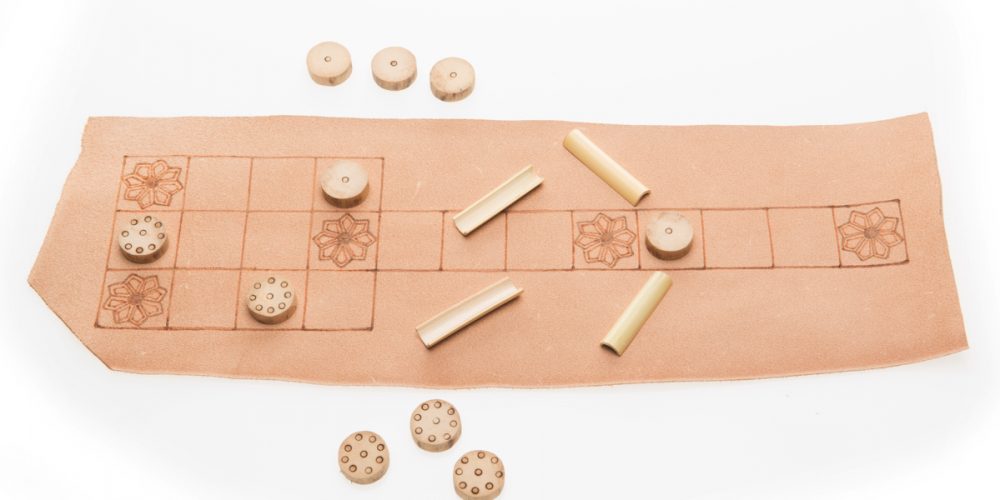
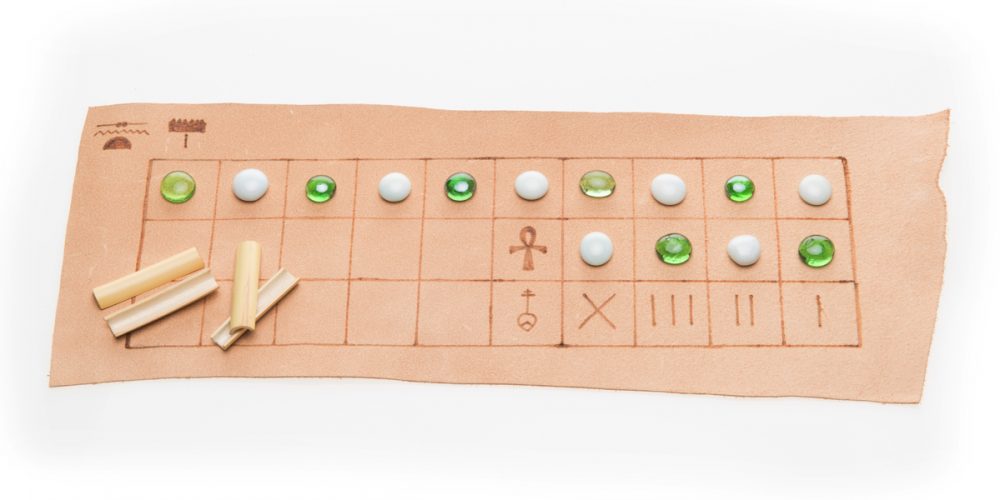
Egyptian race board game Senet is a game of speed and strategy for two players. It was one of the most played games in the Egyptian world and is deeply symbolic for the Egyptian religion. Many samples come from regal sepulchres and monumental pictures. In order to move the pieces on the table, the players throw four flat sticks. There are special squares marked with hieroglyphics.

The Palm’s Game

The Palm’s Game

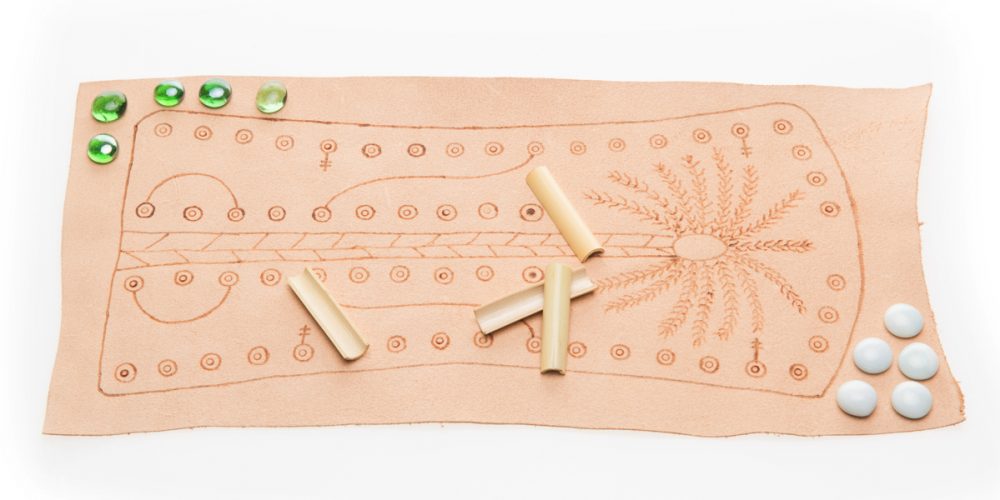
Egyptian race board game The Palm Tree Game is also known as: “Game of the Dogs and Jackals”, because of some archaeological findings of dogs and jackals shaped pawns. Like the game of 58 holes, this game depend essentially of luck and speed between two players without any interaction between them. To move the pieces on the table the players throw four flat sticks. There are special squares.

The Game of 58 Holes

The Game of 58 Holes

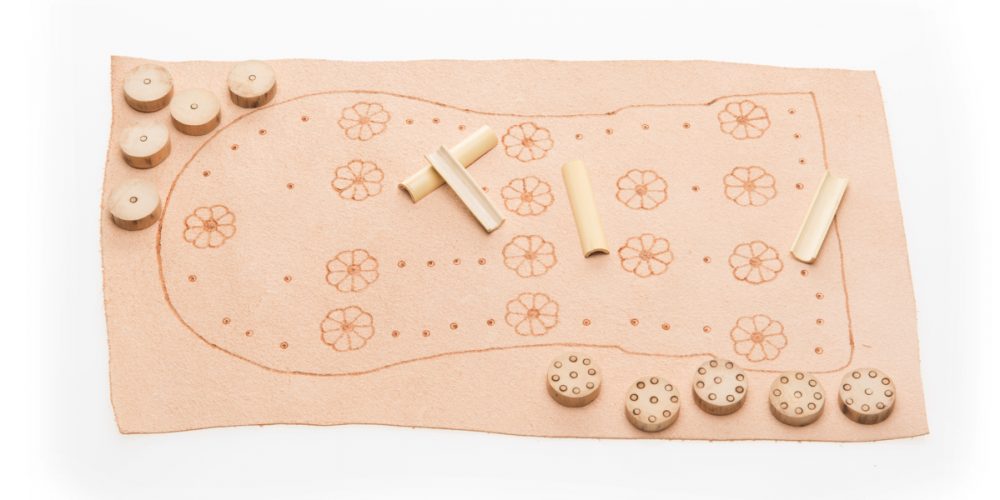
Sumerian and Egyptian board race game The game of 58 holes is very similar to the Game of the Dogs and Jackals or the Palm Tree game. Basically this game depend of luck and speed between two players whom do not interact each other. To move the pieces on the table, players throw four flat sticks. There are special squares.