English
 Italiano
 Deutsch
GREAT ANCIENT CIVILIZATIONS BOARD GAMES
Royal Game of Ur
 x2


Sumerian race board game.
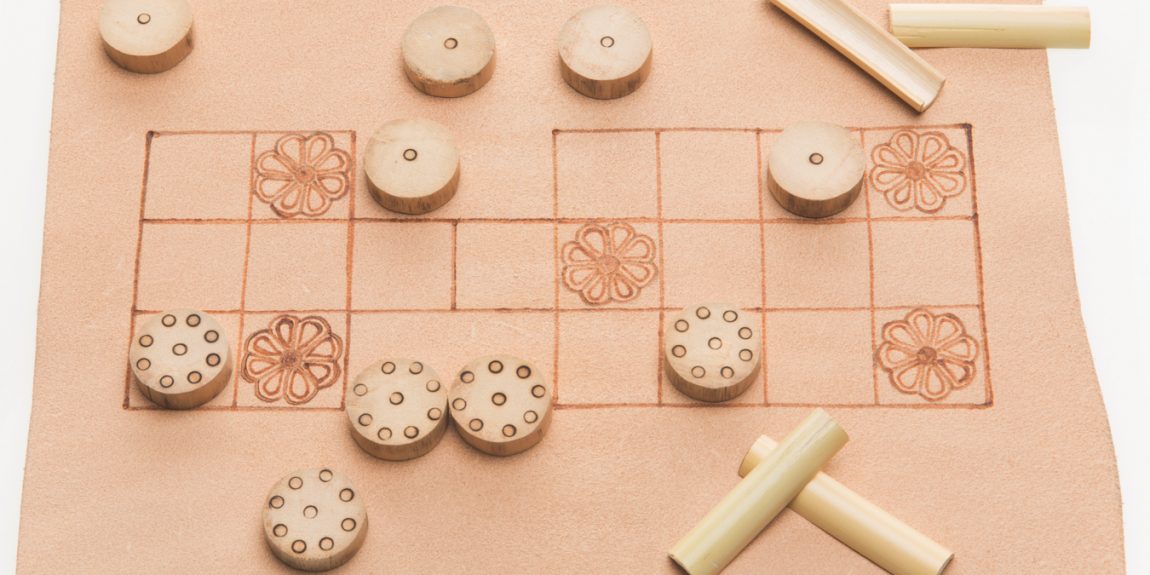
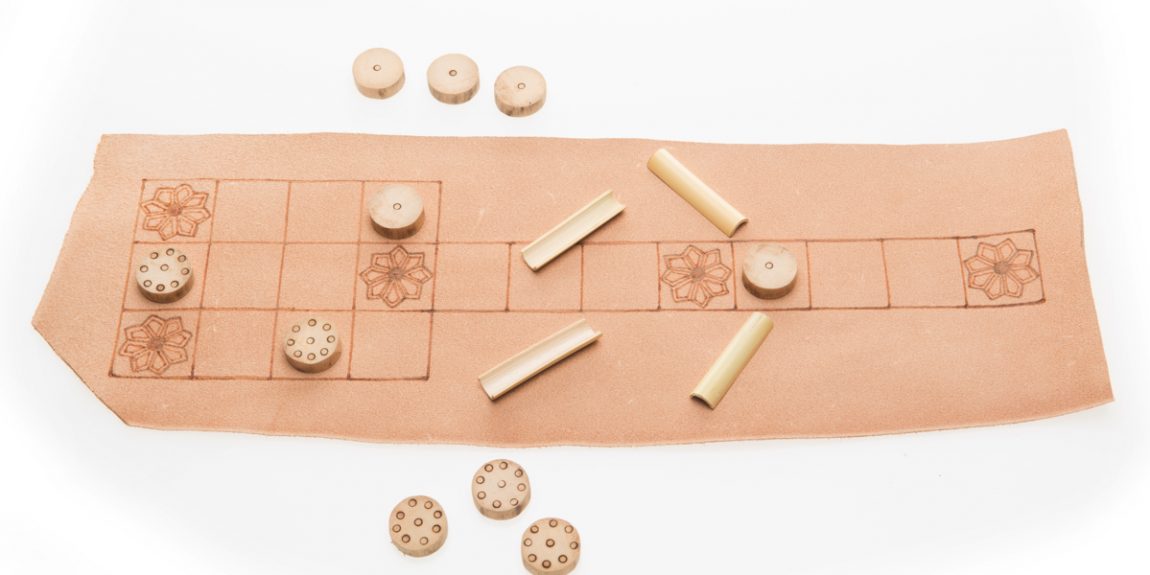
The Royal Game of Ur, found in Ur (ancient Mesopotamia), is one of the world’s oldest board games. The rules have been acquired from a cuneiform tablet that describes it as a race game in which two players have to come from a square on the table and go to the end. There are special squares.
The Game of 58 Holes
x2

Sumerian and Egyptian race board game
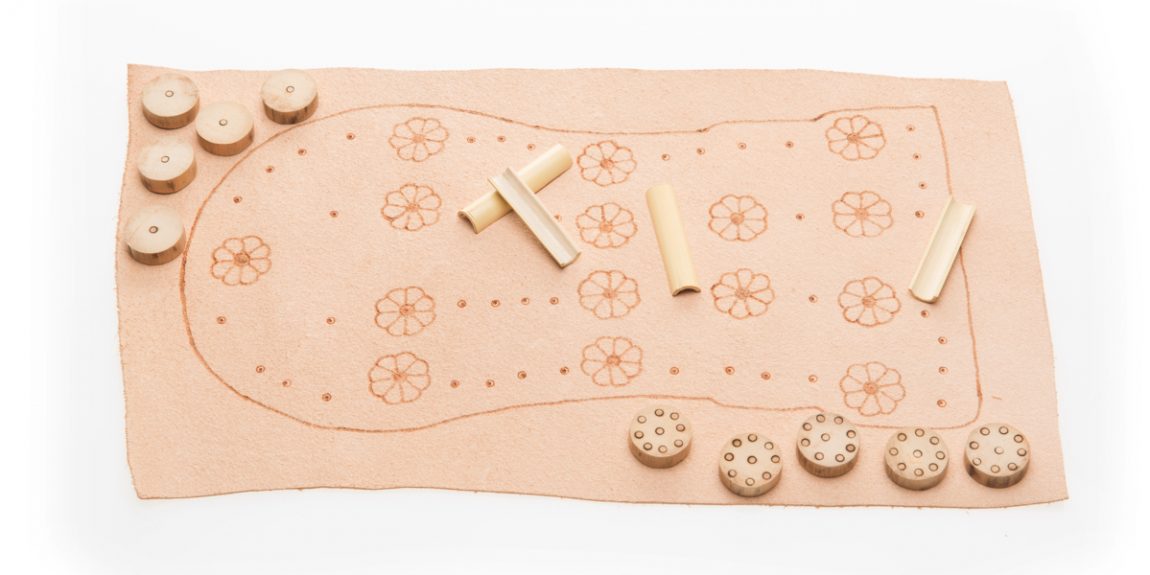
The game of 58 holes is very similar to the Game of the Dogs and Jackals or the Palm’s game. Basically, this game depends on luck and speed between two players whom do not interact with each other. To move the pieces on the table, players throw four flat sticks. There are special squares.
The Palm Tree Game
x2
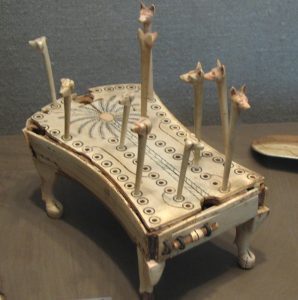
Egyptian race board game
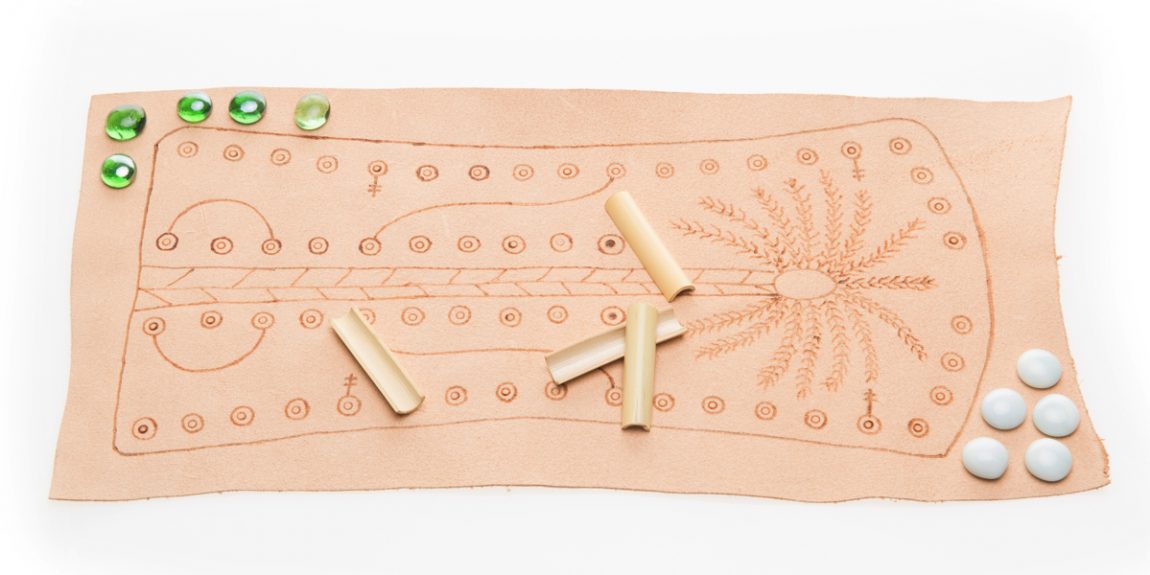
The Palm’s Game is also known as: “Game of the Dogs and Jackals”, because of some archaeological findings of dogs and jackals shaped pawns. Like the game of 58 holes, this game depends essentially on luck and speed between two players without any interaction between them. To move the pieces on the table, players throw four flat sticks. There are special squares.
Senet
x2
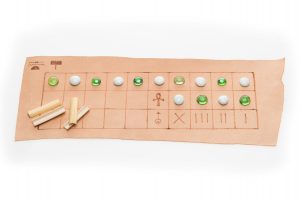
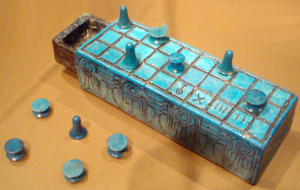
Egyptian race board game.
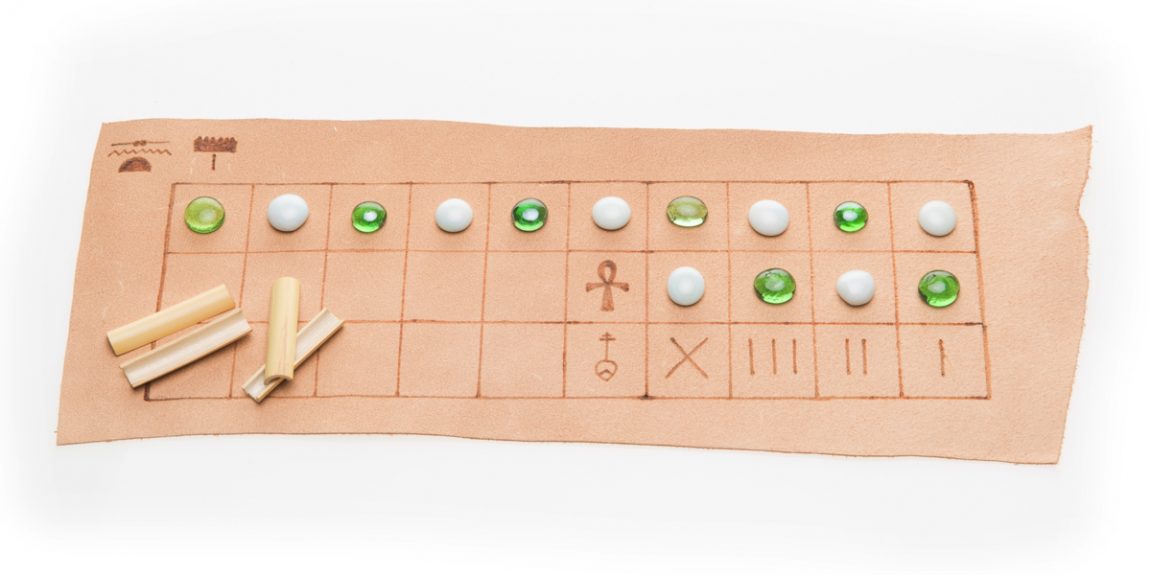
Senet is a game of speed and strategy for two players. It was one of the most frequently played games in the Egyptian world and was deeply symbolic for the Egyptian religion. Many samples come from regal sepulchres and monumental pictures. In order to move the pieces on the table, players throw four flat sticks. There are special squares marked with hieroglyphics.
Mehen
x2-4
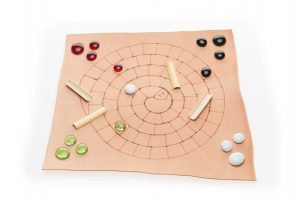
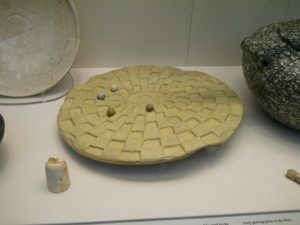
Egyptian race board game.
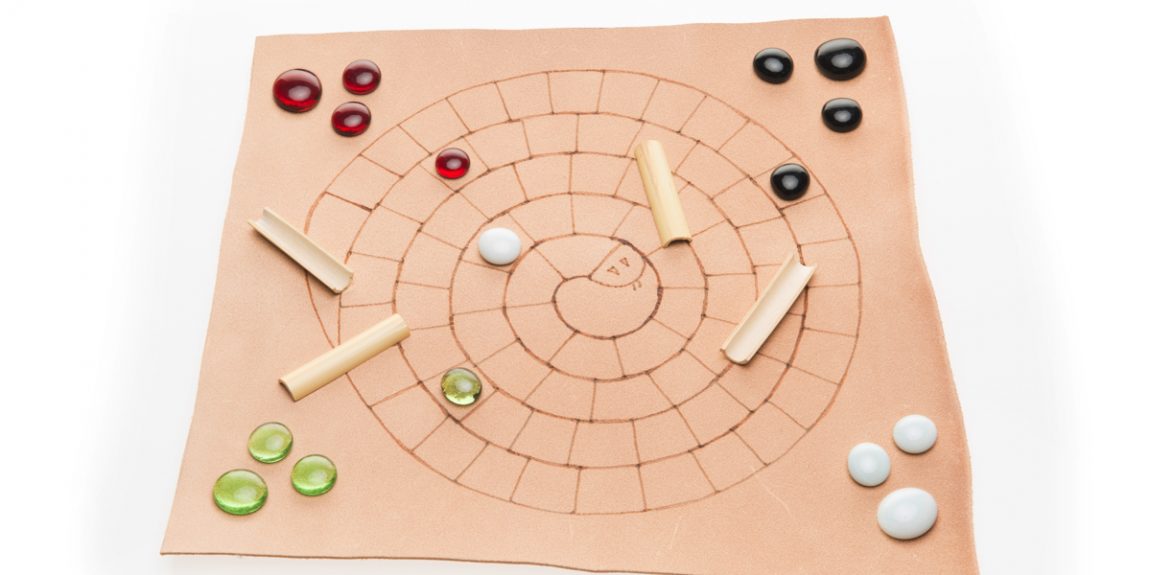
The Mehen or the Serpent Game is perhaps the most ancient Egyptian board game and one of the oldest ever; in fact, it was already widely used in the old kingdom of Egypt. Players should move their pieces until they turn into a hyena or a lion. In order to move the pieces on the table, players throw four flat sticks.
The Game of the Twenty Squares
x2
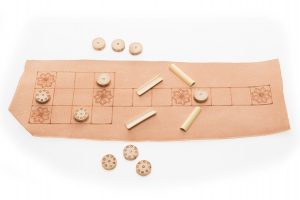
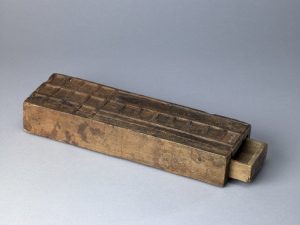
Egyptian race board game.
Due to numerous findings in the tombs, we can say that this game was very popular in Ancient Egypt, the origin of this game is still uncertain though: perhaps it comes from the Middle East or the Indian subcontinent, because other samples were found there. Two players have to start from a square on the table and get to the end. There are special squares.